In brief
WiNCO₂ brings together 13 research projects exploring new approaches to the industrial use of CO₂. As a networking and knowledge transfer platform, WiNCO₂ promotes exchange between the projects and relevant stakeholders from industry, academia, politics and society. This enables research findings to be put into practice more quickly, accelerates the implementation of innovative solutions and strengthens the dialogue on the opportunities and challenges of CO₂ utilisation.
What we’re working on
Motivation
Research into CCU technologies is currently taking place at many locations, within various organisations and across different segments of the value chain. This diversity is important, as it enables a wide range of ideas to be developed and tested in parallel. At the same time, industrial-scale deployment requires fully functional, integrated solutions. To achieve this, complementary approaches must be brought together at an early stage, and the entire value chain must be considered holistically. Given the urgency of transforming industry towards CO₂-based processes, the traditional pace of research and development is insufficient. Targeted approaches are needed to bring innovations into practice more quickly.
Idea
Against this backdrop, the WiNCO₂ networking and knowledge transfer project supports the funding scheme by providing overarching coordination and integration. The aim is to link the 13 funded projects with one another and systematically strengthen their collaboration. This networking deliberately extends beyond the DISCO₂ funding call: WiNCO₂ involves as broad a research community as possible in the field of innovative CCU technologies. This yields several benefits:
- Avoiding parallel development
- Faster generation of new ideas
- More efficient further development of the technologies
A key priority is to identify common interfaces between the projects. This enables developments to be coordinated in such a way that, in the long term, they can be integrated into a seamless value chain.
Details
WiNCO₂ promotes exchange between project partners through regular events – both in person and online. A public progress seminar is held at the start and end of the projects, at which the research work is presented to all interested stakeholders. Active research and networking efforts are undertaken to explore potential collaborations outside the scope of the funding call. The latest developments are communicated on an ongoing basis via this website and on LinkedIn.
WiNCO₂ in figures
Studies
Another key focus of WiNCO₂ is the structured evaluation of the technologies developed.

In order to assess the environmental and climate impacts of the innovative processes, each of the thirteen research projects carries out a life cycle assessment (LCA) of its own process. Similarly, the projects each carry out a techno-economic analysis (TEA) to assess their future economic significance. WiNCO₂ ensures that these analyses are comparable and consolidates the results across all participating research projects.

A key obstacle to the widespread adoption of CO₂-based technologies is the current legal framework, which is not yet adequately geared towards innovative uses of CO₂. An accompanying legal study within WiNCO₂ therefore analyses the status quo, identifies existing regulatory barriers and develops proposals on how the legal framework can be developed in a way that is both innovation-friendly and sustainable.

Separately, another accompanying study focuses on the potential for reducing atmospheric methane. Methane is a particularly potent greenhouse gas, and its removal from the atmosphere represents a field for climate protection that has so far been little explored but holds great promise. The study aims to systematically catalogue and evaluate technological approaches in order to establish a sound basis for future research and funding strategies.
The Competence Centre for Energy Transition (CC4E) is a central research unit at HAW Hamburg, which takes an interdisciplinary approach to addressing the current and future challenges of the energy transition. It develops practical solutions for a wide range of technological, social, political and economic issues – from the initial idea through to implementation. In doing so, the CC4E makes a sustainable contribution to effective climate and environmental protection.
Within DISCO₂, the CC4E supports overall event management and public relations. It is also responsible for comparing life-cycle assessments and techno-economic analyses, as well as for producing the study on the removal of methane from the atmosphere.

hySOLUTIONS develops innovative projects in mobility and industry and successfully coordinates national and European initiatives. The team combines many years of specialist expertise with extensive experience in project management, securing funding, and communication and public relations.
hySOLUTIONS acts as the central hub within DISCO₂: the company connects stakeholders from industry and research, takes charge of overarching project management and oversees communication. This ensures smooth processes and a strong public profile.

IKEM is a non-profit association and independent research institute with more than 15 years’ experience in interdisciplinary research on climate protection. IKEM’s work focuses on the analysis, evaluation and further development of strategies to avoid or reduce greenhouse gas emissions.
Within DISCO₂, IKEM provides legal support, provides information on the legal framework for CCU and responds to ad hoc enquiries.

Contact

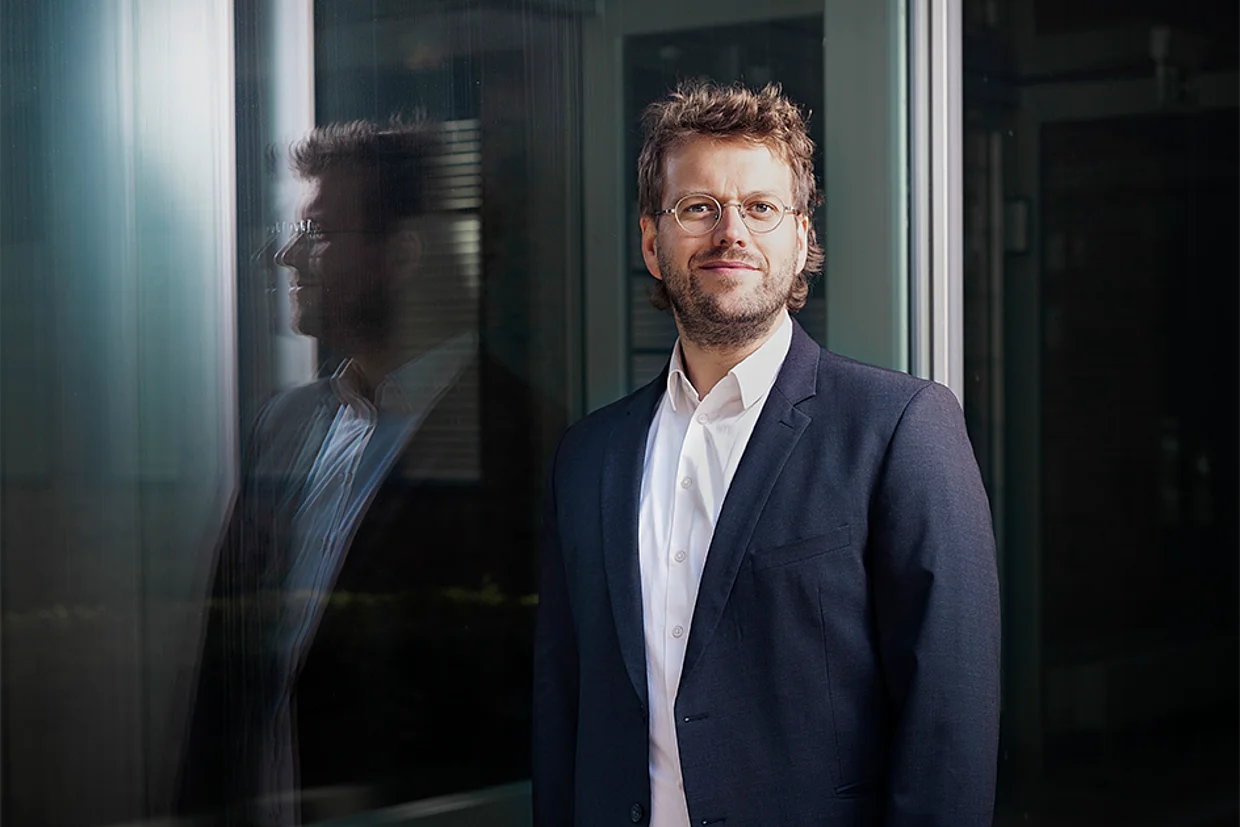
Dr. Oliver Arendt
Study on the removal of atmospheric methane
HAW Hamburg | CC4E
oliver.arendt@haw-hamburg.de

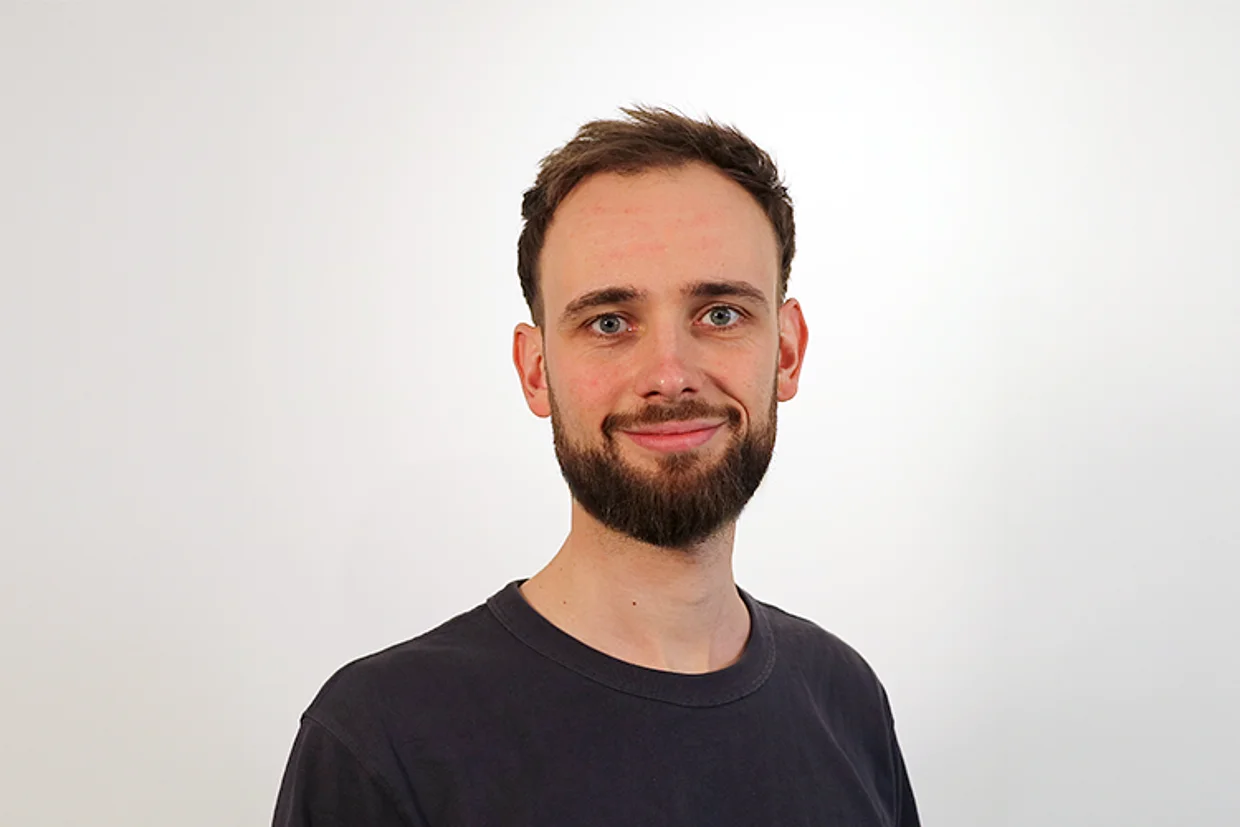
Simon Großmann
Study on the legal framework for CCU
IKEM – Institute for Climate Protection, Energy and Mobility e.V.
simon.grossmann@ikem.de
Jennifer Kreissel
Project Communication Coordination
and Networking
hySOLUTIONS GmbH
jennifer.kreissel@hysolutions.de

Lisa Pinkowski
Project Communication and Networking
Comparison of LCA/TEA
HAW Hamburg | CC4E
lisa.pinkowski@haw-hamburg.de